Ad placeholder
Githyanki
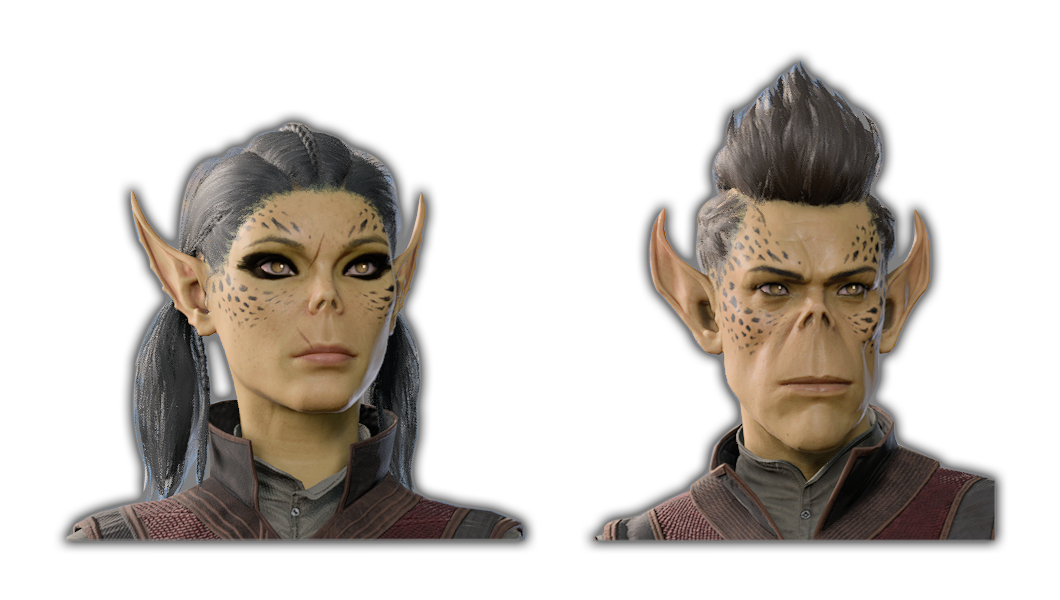
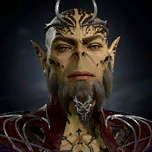
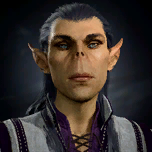
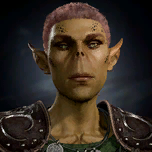
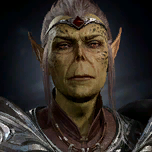
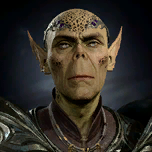
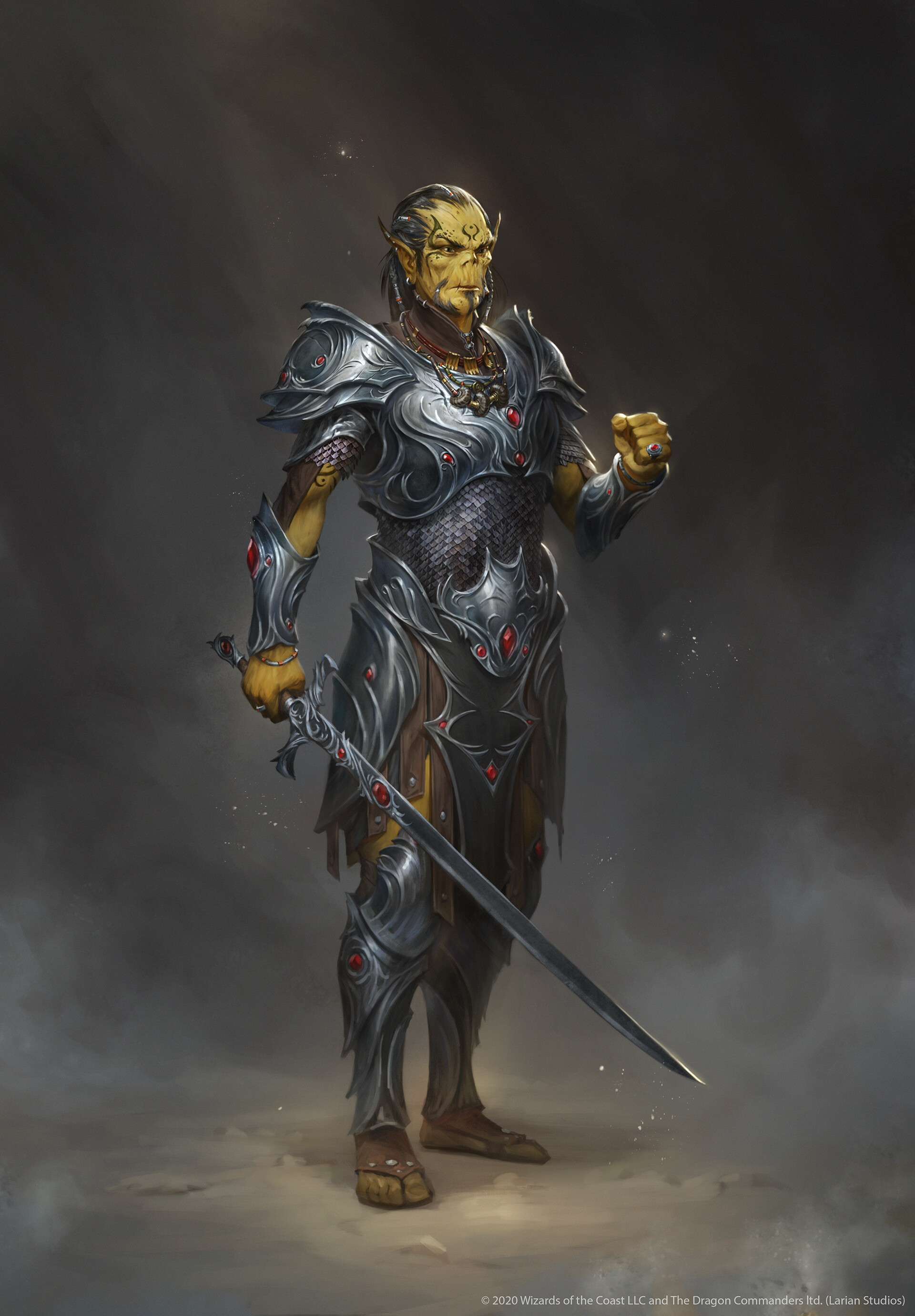
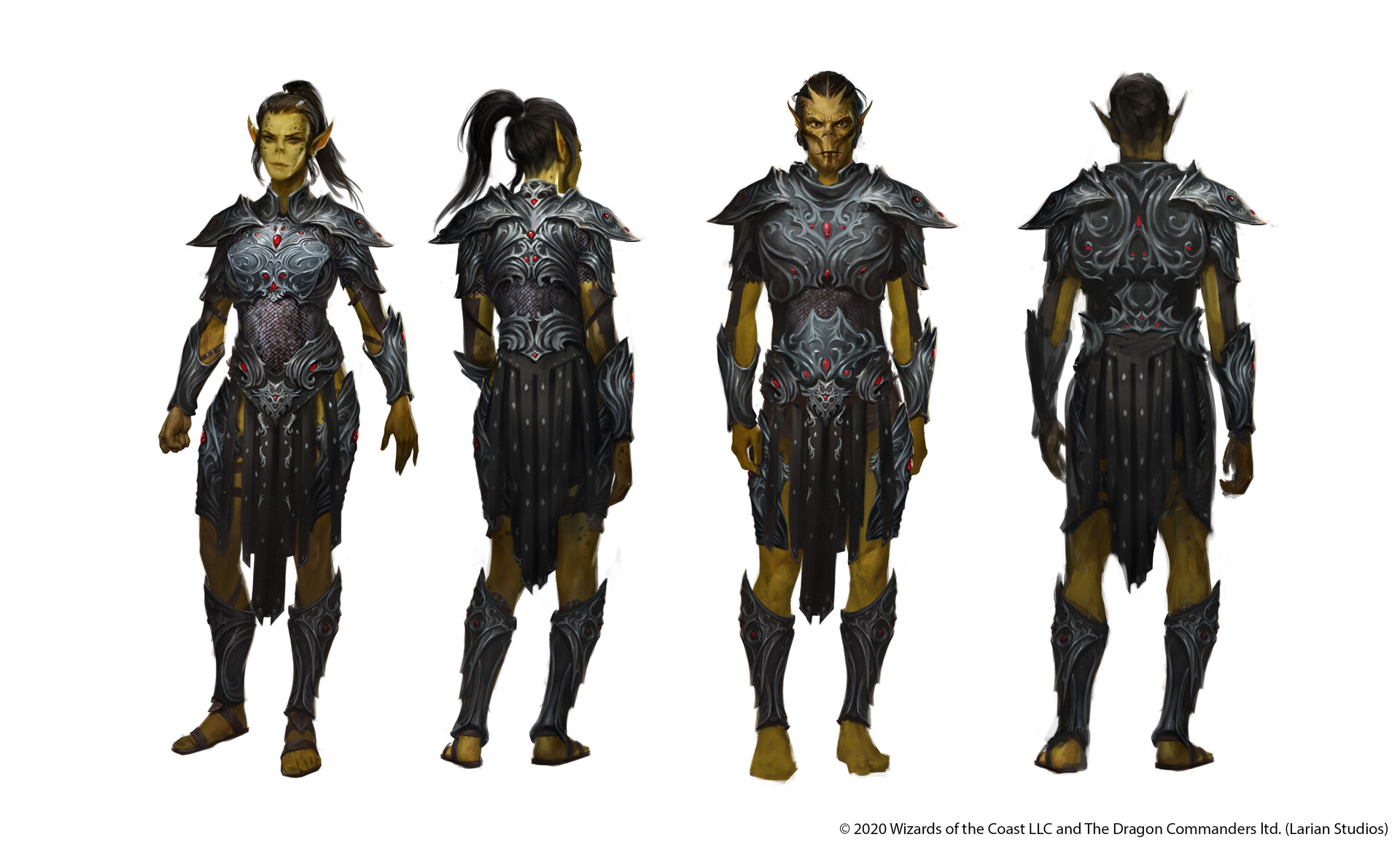
Githyanki are a playable race in Baldur's Gate 3.

“With a ruthlessness borne from mind flayer enslavement, githyanki ride the Astral Sea atop red dragons, bringing their silver swords and psionic might to bear against any trace of the illithid menace.„
About githyanki[edit section | visual editor]

Githyanki are peerless warriors from the Astral Plane, known for their legendary silver blades and red dragon mounts. They seek the total destruction of Mind Flayers, whose ancient empire enslaved the ancestral Gith for millennia.
Because the effects of time are nearly suspended in their native Astral Plane, githyanki are hatched from eggs across realmspace in outposts called crèches. Crèches serve multiple functions outside the Astral Plane, acting simultaneously as hatcheries, training grounds, and shelters.[1]
Githyanki society is highly militaristic.[2] They are ruled by their lich queen,
Racial features[edit section | visual editor]

- You can move 9 m (30 ft) per turn

- Medium

- Gain


- Githyanki Psionics
- You gain access to the following Spells:
- Cantrip:

- 1st Level Spell:

- 2nd Level Spell:

- Cantrip:


- A lifetime of relentless training gave you Armour proficiency with


Religion[edit section | visual editor]
In Baldur's Gate 3, Vlaakith can be selected as a deity for githyanki Clerics as part of character creation. Within the broader lore of Dungeons & Dragons, however, githyanki society operates without deities. Their history of enslavement by the illithid empire fostered a deep cultural rejection of servitude, a philosophy they extend to divine worship. Instead of gods, the githyanki are rigidly devoted to their Lich-Queen, Vlaakith CLVII.[5]
It is likely that githyanki clerics represented in-game are lore equivalents to the Ch’r’ai – a caste of inquisitors and zealots who channel arcane power directly from Vlaakith, acting as her enforcers rather than traditional shepherds of a religious flock.[6][7]
The Cult of Vlaakith[edit section | visual editor]
Vlaakith is an undead wizard who demands absolute reverence, though she currently lacks a divine spark. High-ranking githyanki warriors who achieve significant power are summoned to their capital, Tu'narath, for 'Ascension'. While nearly all githyanki view this as a reward and elevation to a higher plane of service, certain in-game choices and cutscenes confirm that Vlaakith actually consumes their souls to fuel her own power and to prevent potential rivals from emerging.[8]
The Pact with Tiamat[edit section | visual editor]
The githyanki maintain a longstanding alliance with
The Afterlife[edit section | visual editor]
Because githyanki reside in the timeless Astral Plane and reject conventional deities, they do not participate in the standard afterlife cycle, and their souls have no 'reserved seating' in the 
Equipment[edit section | visual editor]
Certain items have unique bonuses when wielded or worn by a Githyanki; their bonuses can be enabled by being 


Notable Githyanki[edit section | visual editor]


See also[edit section | visual editor]
Notes and references[edit section | visual editor]
- ↑ If

- ↑ Mordenkainen’s Tome of Foes (5th Edition, 2018), emphasizes the military hierarchy of Githyanki society. It also references the specialized spellcasters and inquisitors who maintain Vlaakith's rule.
- ↑ A gith dictionary
- ↑ Mordenkainen’s Tome of Foes (5th Edition), Chapter 4, details the githyanki military hierarchy and the roles of the kith'raki and Ch'r'ai.
- ↑ A Guide to the Astral Plane (2nd Edition) and Mordenkainen’s Tome of Foes (5th Edition) relates the githyanki rejection of deities.
- ↑ Dungeon Magazine #100 ("The Lich-Queen’s Beloved") outlines how Vlaakith grants spells to her loyalists despite lacking true divinity.
- ↑ Under 5th Edition rules, clerics must technically serve a deity to gain spells. Since Vlaakith is not a deity, a "Cleric of Vlaakith" is a lore contradiction. Baldur's Gate 3 does allow githyanki clerics, which ensures players have the mechanical freedom to play any class/race combination. While the game does not explicitly label this a concession, it does lack unique reactivity for clerics of Vlaakith – even when meeting Vlaakith herself – which strongly suggests the class was implemented as a mechanical option rather than an integrated lore path.
- ↑ In-game dialogue with

- ↑ Possible dialogue choices with Voss during an evening cut-scene with Lae'zel, after having entered the Astral Prism in Crèche Y'llek and leaving the Rosymorn Monastery Trail.
- ↑ The betrayal of Gith to Tiamat is heavily implied as a closely guarded secret in Dungeon Magazine #100 and later editions of the Monster Manual (Red Dragon entries).
- ↑ If

- ↑ A Guide to the Astral Plane details the fate of githyanki souls.


Gallery[edit section | visual editor]
-
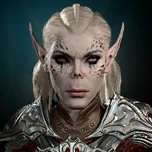
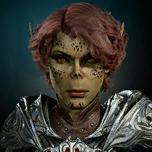
 Githyanki Concept Art by Konstantin Porubov
 -
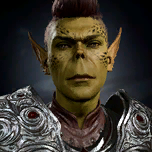
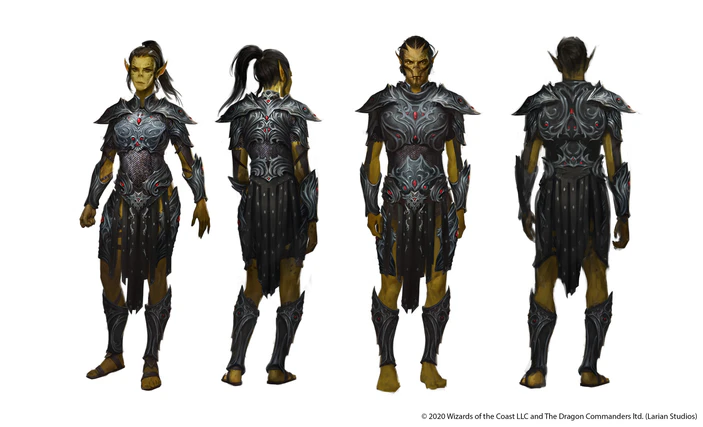 Githyanki Concept Art by Konstantin Porubov


External links[edit section | visual editor]

 on Wikipedia
- Githyanki on 2d4Chan
- Vlaakith CVLII on 1d6Chan
- Vlaakith CVLII on 2d4Chan